 Merken
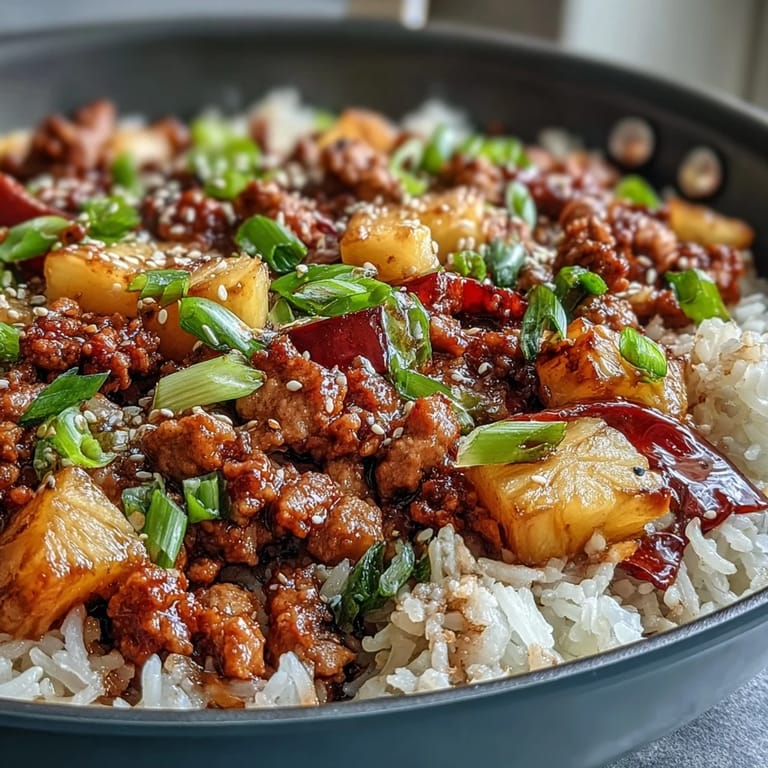
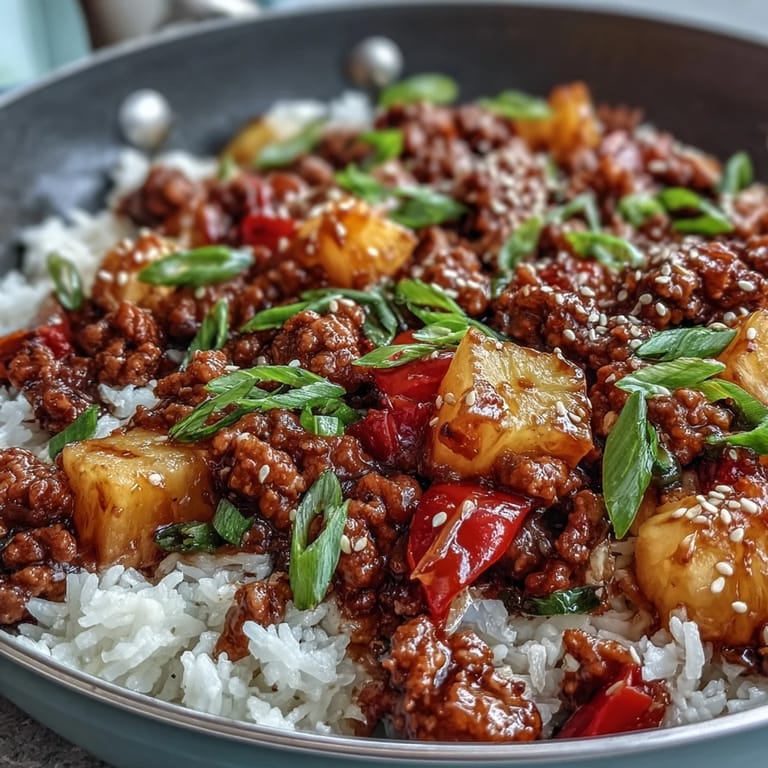
 Bring a burst of flavor to your kitchen with this Sweet-and-Sour Turkey Rice Skillet. This vibrant, one-pan meal combines Korean-spiced ground turkey with juicy pineapple and crisp bell peppers for a satisfying fusion dish that is ready in under an hour. It is a perfect way to transform simple ingredients into a meal that feels both gourmet and comforting.
Merken The secret to this dish lies in the balance of the gochujang chili paste and rice vinegar, creating a deep complexity that pairs beautifully with the natural sweetness of the pineapple. Whether you are looking for a new family favorite or a reliable meal prep option, this skillet delivers on every front.
Ingredients
Tired of Takeout? 🥡
Get 10 meals you can make faster than delivery arrives. Seriously.
One email. No spam. Unsubscribe anytime.
- Protein & Eggs: 1 lb (450 g) ground turkey
- Vegetables & Fruit: 1 medium yellow onion, diced; 1 red bell pepper, chopped; 1 green bell pepper, chopped; 3 garlic cloves, minced; 1 cup (150 g) pineapple chunks (fresh or canned, drained); 2 green onions, sliced (for garnish)
- Rice & Pantry: 2 cups cooked jasmine or long-grain rice (day-old preferred); 2 tbsp vegetable oil; 2 tbsp soy sauce (low sodium preferred); 1 tbsp gochujang (Korean chili paste); 2 tbsp rice vinegar; 2 tbsp brown sugar; 1 tbsp tomato ketchup; 1 tsp sesame oil
- Optional: 1 tsp toasted sesame seeds (for garnish)
Instructions
- Step 1
- In a large skillet or wok, heat vegetable oil over medium-high heat. Add ground turkey and cook, breaking it up, until browned and cooked through, about 5–6 minutes.
- Step 2
- Add diced onion, red and green bell peppers, and garlic. Sauté for 4–5 minutes until vegetables are just tender.
- Step 3
- Stir in the pineapple chunks and cook for 1–2 minutes.
- Step 4
- In a small bowl, whisk together soy sauce, gochujang, rice vinegar, brown sugar, ketchup, and sesame oil. Pour the sauce into the skillet and mix well to coat all ingredients.
- Step 5
- Fold in the cooked rice, breaking up any clumps, and stir-fry everything together for 2–3 minutes, allowing the flavors to combine and the rice to heat through.
- Step 6
- Taste and adjust seasoning if needed.
- Step 7
- Remove from heat. Garnish with sliced green onions and sesame seeds, if using. Serve hot.
Zusatztipps für die Zubereitung
For the best results, use leftover rice. Day-old jasmine or long-grain rice is drier and firmer, which allows it to stay fluffy and non-sticky when tossed in the skillet with the sauce and meat.
Varianten und Anpassungen
This recipe is highly versatile; you can substitute the ground turkey with ground chicken or pork if desired. If you prefer a spicier kick, feel free to add more gochujang or a pinch of red pepper flakes to the sauce mixture.
Serviervorschläge
Garnish your skillet generously with green onions and toasted sesame seeds for a professional touch. This meal pairs exceptionally well with a crisp Riesling or a cold lager to balance the sweet and spicy notes.
 Merken
 With its vibrant colors and bold flavors, this Sweet-and-Sour Turkey Rice Skillet is sure to become a staple in your rotation. It is a simple, delicious, and efficient way to enjoy a restaurant-quality meal at home.
Antworten auf Rezeptfragen
- → Kann ich die Soße schärfer machen?
Ja, erhöhen Sie einfach die Menge an Gochujang oder fügen Sie eine Prise Chiliflocken hinzu, um mehr Schärfe zu erhalten.
- → Warum sollte ich übrig gebliebenen Reis verwenden?
Über Nacht gekühlter Reis ist trockener und körniger, wodurch er in der Pfanne nicht klebt und die Aromen besser aufnimmt.
- → Welche Alternativen zu Putenhack funktionieren?
Sie können Putenhack durch Hähnchen- oder Schweinehack ersetzen, je nach Vorliebe und Verfügbarkeit.
- → Ist das Gericht glutenfrei?
Verwenden Sie glutenfreie Sojasauce und achten Sie auf ein glutenfreies Gochujang, um das Gericht komplett glutenfrei zu machen.
- → Wie bewahre ich Reste auf?
Lagern Sie die Reste in einem luftdichten Behälter im Kühlschrank für bis zu 3 Tage. Erhitzen Sie sie in der Pfanne oder Mikrowelle, bevor Sie servieren.