 Merken
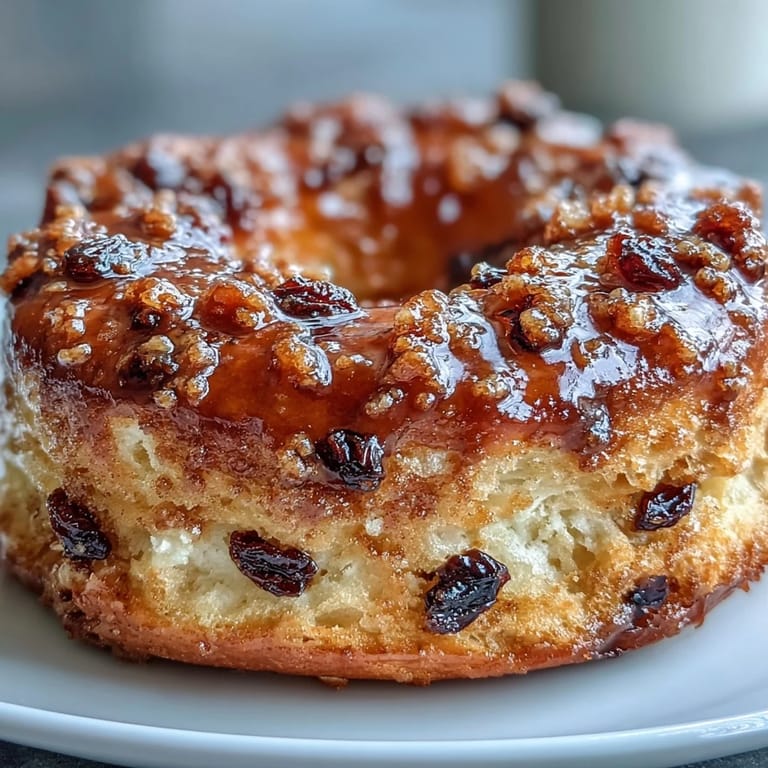
 Bagel-making felt impossibly complex until I realized the secret wasn't perfection—it was Greek yogurt. One Saturday morning, I was craving something chewy and substantial, but everything in my pantry felt thin and uninspired. When I stirred that creamy yogurt into the flour with a generous handful of raisins and a whisper of cinnamon, the dough came alive under my hands in a way I hadn't expected. What emerged from the oven hours later were these golden, pillowy bagels that somehow tasted both indulgent and virtuous at once.
I made these for a friend who'd given up bagels after going high-protein, and watching her face when she bit into one—that moment of surprise and satisfaction—made the whole afternoon of boiling and baking feel worthwhile. She asked for the recipe before she'd even finished her first one, and that's when I knew I'd stumbled onto something special.
Ingredients
- Bread flour (3 cups): Don't skip this for all-purpose—bread flour has just enough gluten to give you that chewy bite that makes a bagel a bagel.
- Vanilla or plain whey protein powder (1 cup): This is your secret weapon for staying power; choose one without artificial sweeteners or it'll throw off your balance.
- Ground cinnamon (2 tsp): Go for fresh cinnamon if you can—the difference between what's been sitting in your cabinet for two years and something new is almost startling.
- Granulated sugar (2 tbsp): This feeds the yeast and gives you that subtle sweetness that plays against the cinnamon.
- Instant dry yeast (2 1/4 tsp): Check your expiration date; dead yeast means dense, sad bagels.
- Salt (1 tsp): Use kosher salt if you have it—it dissolves more evenly and won't create surprises.
- Plain Greek yogurt (1 cup): Full-fat is non-negotiable here; non-fat versions are too thin and will affect your dough's texture.
- Warm water (1/2 cup): Warm, not hot—anything over 120°F kills the yeast, so use a thermometer if you're unsure.
- Raisins (3/4 cup): Soak them for five minutes in warm water first if they've been in your pantry a while; it plumps them back up.
- Water for boiling (2 quarts): This is where the bagel shape sets, so don't skip or rush this step.
- Honey or barley malt syrup (1 tbsp, optional): This creates that glossy, professional-looking finish and subtle sweetness.
- Egg wash (1 egg, optional): Beaten with a splash of water, it gives you that bakery-quality shine.
Tired of Takeout? 🥡
Get 10 meals you can make faster than delivery arrives. Seriously.
One email. No spam. Unsubscribe anytime.
Instructions
- Mix your dry foundation:
- Whisk together the bread flour, protein powder, cinnamon, sugar, yeast, and salt in a large bowl—this distributes everything evenly so you won't get any yeast clumps or pockets of protein powder. Take your time here; it only takes a minute but it changes everything.
- Bring the wet and dry together:
- Pour in your Greek yogurt and warm water, then stir with a wooden spoon until a shaggy, rough dough forms. Don't worry if it looks scraggly—this is exactly where it should be.
- Knead until it tells you it's ready:
- Knead by hand for 8–10 minutes (or use a stand mixer with a dough hook at medium speed) until the dough becomes smooth, elastic, and springs back when you poke it. You'll feel the transformation—it goes from sticky chaos to something alive and responsive.
- Fold in your raisins gently:
- Scatter the raisins over the dough and knead just until they're distributed evenly; over-kneading now can bruise them. A few stray raisins at the bottom of the bowl are fine—some will peek out when you bite in.
- Let it rise and expand:
- Place the dough in a lightly greased bowl, cover with a damp towel, and set it somewhere warm (an oven with the light on works beautifully) for about 1 hour, until it's roughly doubled in size. You want it puffy but not collapsing—watch for that sweet spot.
- Shape your bagels with intention:
- Divide the risen dough into 8 equal pieces—a kitchen scale makes this easier if you're particular about uniformity. Roll each piece into a tight ball, poke your thumb through the center, and stretch it gently into a bagel shape with a hole you can see daylight through.
- Let them rest and relax:
- Arrange bagels on parchment paper, cover loosely, and let them rest for 15 minutes while you prepare your boiling water and preheat your oven to 425°F. This short rest helps them hold their shape during boiling.
- Boil for the crucial texture:
- Bring 2 quarts of water to a gentle boil and add honey or barley malt syrup if using. Working with 2–3 bagels at a time, boil for exactly 1 minute per side—this sets the crust and creates that characteristic chewy exterior.
- Add your finishing touches:
- Remove boiled bagels with a slotted spoon and return them to the baking sheet. Brush with beaten egg wash and sprinkle generously with cinnamon sugar for that bakery-counter appeal.
- Bake until golden and fragrant:
- Bake for 20–25 minutes at 425°F until they're deep golden brown and sound hollow when you tap them. The kitchen will smell like a cinnamon dream.
- Cool with patience:
- Let them rest on a wire rack for at least 10 minutes before eating, even though the steam and warmth will tempt you immediately. They'll set up perfectly and stay chewy instead of becoming dense.
 Merken
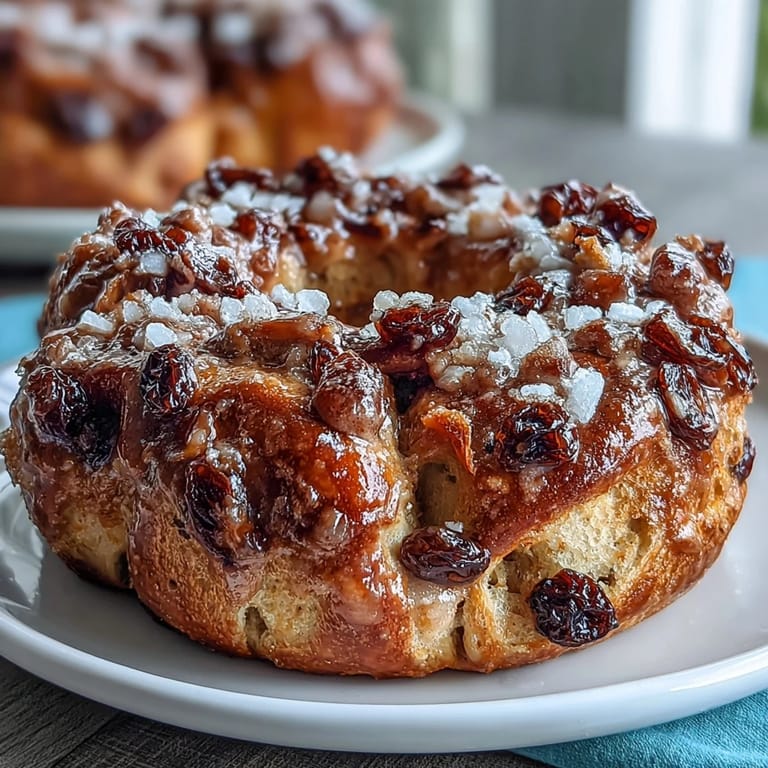
 These bagels became my default breakfast on mornings when I needed something that would sustain me through a long day of work without the post-carb slump. There's something grounding about a warm bagel with Greek yogurt or almond butter, the raisins bursting sweet against the cinnamon-spiced chew.
Variations and Swaps That Actually Work
I've experimented enough times now to know exactly what works. Dried cranberries or chopped dates swap in beautifully for the raisins if you want something brighter or chewier—add them at the same point and don't second-guess yourself. For a nuttier depth, a teaspoon of orange zest or nutmeg mixed into the dry ingredients creates something unexpectedly sophisticated without screaming spice.
- Whole wheat flour makes them denser and more wholesome, but use it to replace only half the bread flour or they'll become heavy.
- If you want vanilla flavor, vanilla whey powder does exactly that—it's not subtle, but it's not overpowering either.
- For a completely different direction, skip the cinnamon sugar topping and go savory with everything bagel seasoning after the egg wash.
Serving Ideas That Make Them Shine
A toasted bagel split and loaded with more Greek yogurt and a drizzle of honey is my default, but I've discovered these are unexpectedly good with nut butters, cream cheese if you're feeling indulgent, or even smashed avocado if you want to go completely different. Cold ones the next morning wrapped in foil fit perfectly in a gym bag, and they taste just as good at room temperature as they do warm.
Storage and Make-Ahead Wisdom
These keep beautifully for three days in an airtight container at room temperature, and they freeze perfectly for up to a month—just wrap them individually in plastic wrap before freezing. Toast them straight from frozen and they come back to life like you made them that morning, with the same chew and tenderness that made them special in the first place.
- Don't refrigerate them unless you want them to go stale faster; the cold actually speeds up the staling process.
- To refresh day-old bagels, wrap them in foil and warm in a 350°F oven for about 5 minutes until they're soft again.
- Freeze extras immediately after they cool so you always have breakfast when you need it most.
 Merken
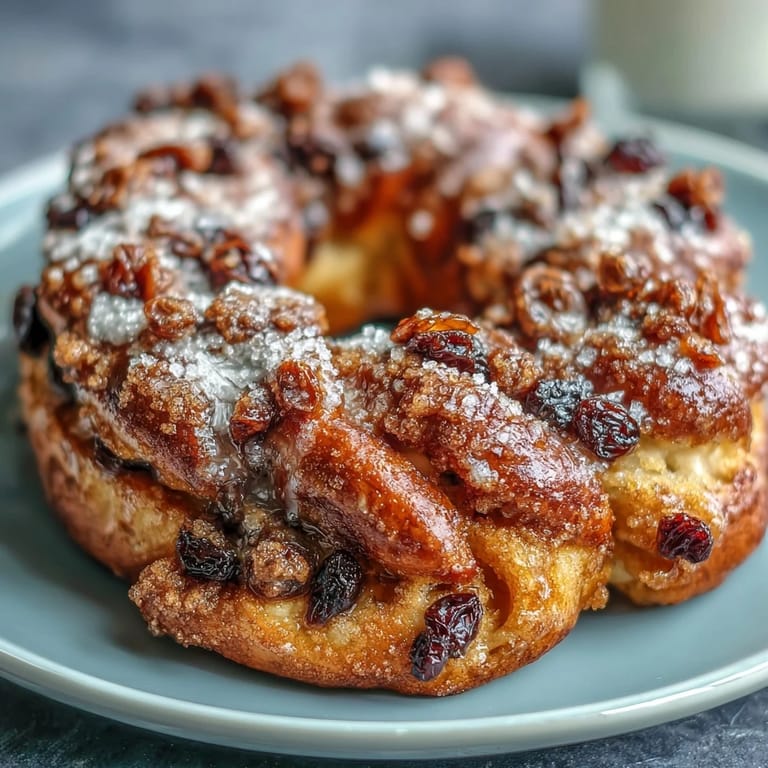
 These bagels transformed how I think about breakfast—they proved that eating well doesn't mean sacrificing flavor or satisfaction. Every time I pull a batch from the oven, warm and fragrant, I'm reminded that sometimes the best foods are the ones you make yourself.
Antworten auf Rezeptfragen
- → Wie sorgt der griechische Joghurt für die zarte Konsistenz?
Der griechische Joghurt verbessert die Feuchtigkeit im Teig und macht die Bagels besonders weich und saftig.
- → Warum werden die Bagels vor dem Backen gekocht?
Das Abkochen hilft, die typische dichte und kaubare Struktur der Bagels zu erzeugen und sorgt für eine glänzende Oberfläche.
- → Kann ich die Rosinen durch andere Trockenfrüchte ersetzen?
Ja, getrocknete Cranberries oder gehackte Datteln sind eine gute Alternative und bringen eine andere süße Note ein.
- → Wie helfe ich dem Teig beim Aufgehen?
Der Teig sollte abgedeckt an einem warmen Ort etwa eine Stunde ruhen, bis er deutlich an Volumen gewinnt.
- → Gibt es Tipps für eine knusprigere Oberfläche?
Ein Eiweiß- oder Ei-Überzug vor dem Backen und das Bestreuen mit Zimtzucker sorgt für eine leichte Kruste.